
If you are a decision-maker responsible for optical interconnect procurement at a North American hyperscale data center, the past year may have led you to re-examine your supplier evaluation framework. Geopolitical factors are upgrading “supply chain resilience” from a nice-to-have bonus point to a core, veto-level threshold.
The U.S. FCC is drafting new rules that would restrict imports of China’s next-generation high-speed datacom optical modules, mainly targeting core AI computing products such as 800G and 1.6T. Although the timing and exact scope of such restrictions remain uncertain, the signal is clear enough: North American hyperscale customers are placing significantly greater emphasis on supply chain resilience and national security, and procurement is continuing to shift toward trusted non-Chinese suppliers.
The reality, however, is that Chinese optical module suppliers still hold a decisive share of the global market. The top ten Chinese optical module suppliers account for more than 60% of the global market. Major U.S.-based manufacturers have a combined 800G monthly capacity of only about 40,000 units, less than one-tenth that of leading Chinese vendors. This means that switching the supply chain cannot happen overnight. It is a gradual, systematic engineering effort that requires revalidation across multiple links.
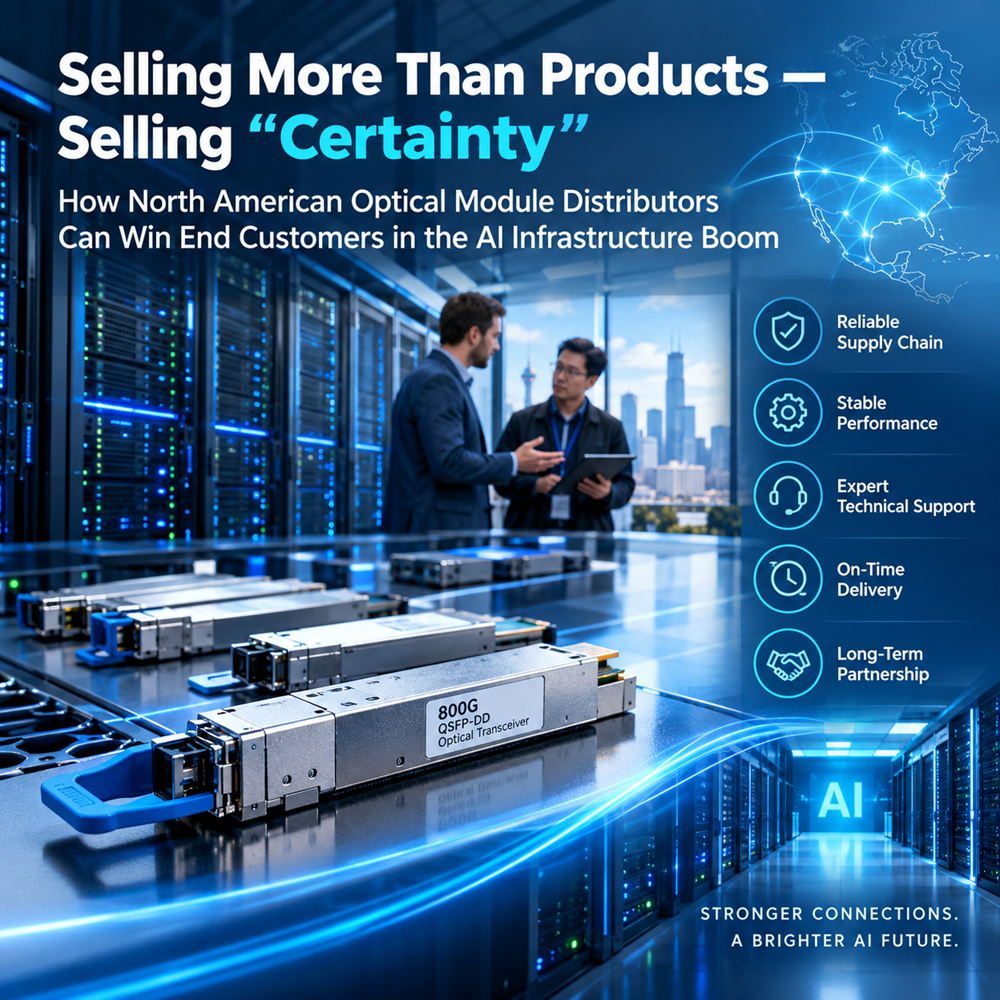
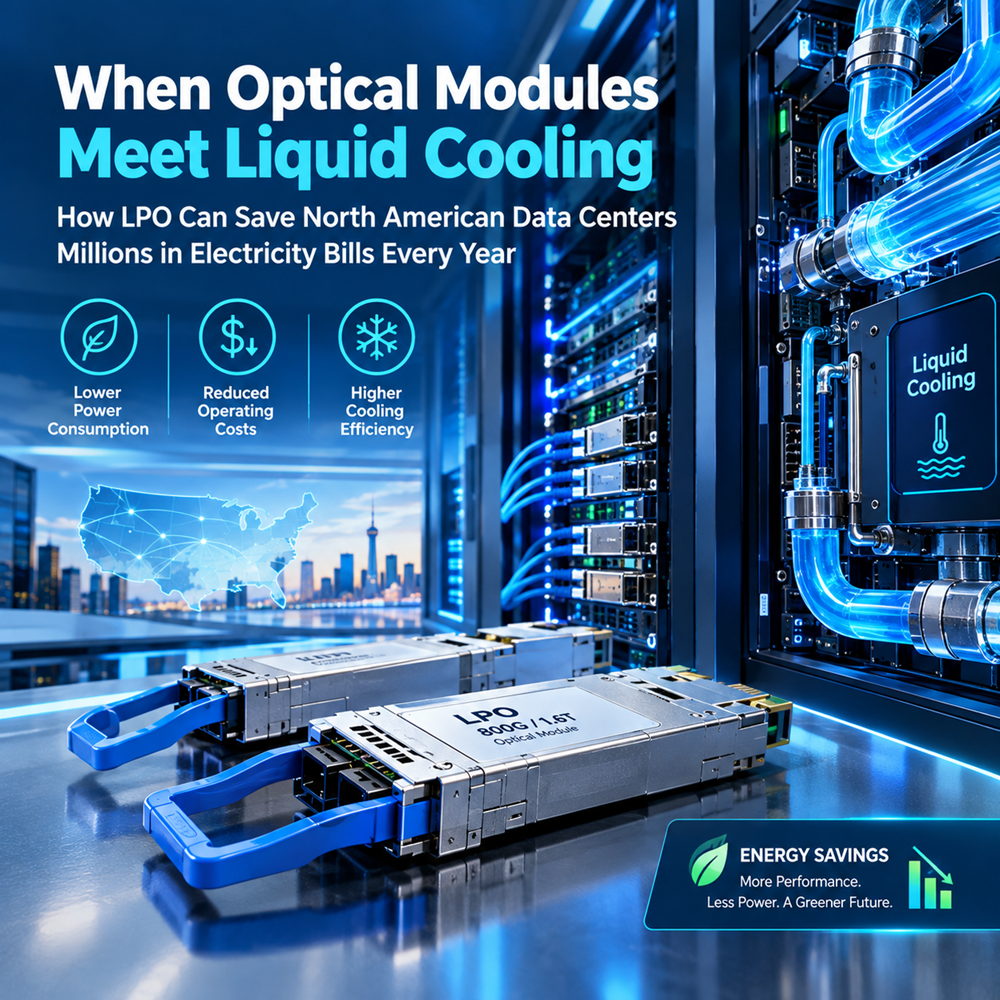
For North American buyers, the pragmatic strategy is to build a dual-track supply system consisting of a core supplier plus backup suppliers. The core supplier needs mature product lines that have already passed full North American customer qualification and stable volume delivery capability. Backup suppliers should be evaluated on their progress in next-generation technology routes such as silicon photonics and LPO, as well as their capacity plans in Southeast Asia or North America.
In the future AI supply chain, the competitive threshold will shift from pure cost advantage to trust orientation. Manufacturers with localized production and high-security certifications will occupy key strategic high ground in this wave of global supply chain restructuring. For distributors, choosing to work with suppliers that have already established localized manufacturing capabilities in North America and continue to invest in next-generation technology development is a wise move to help customers build long-term supply chain resilience.
It is worth noting that supply chain diversification does not mean sacrificing cost efficiency. In 800G and 1.6T products, the maturity of silicon photonics is driving continuous cost optimization. Choosing a supplier with a presence across multiple technology routes can ensure supply security while capturing the cost benefits of technology iteration.